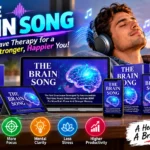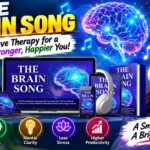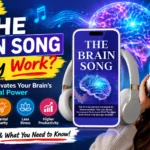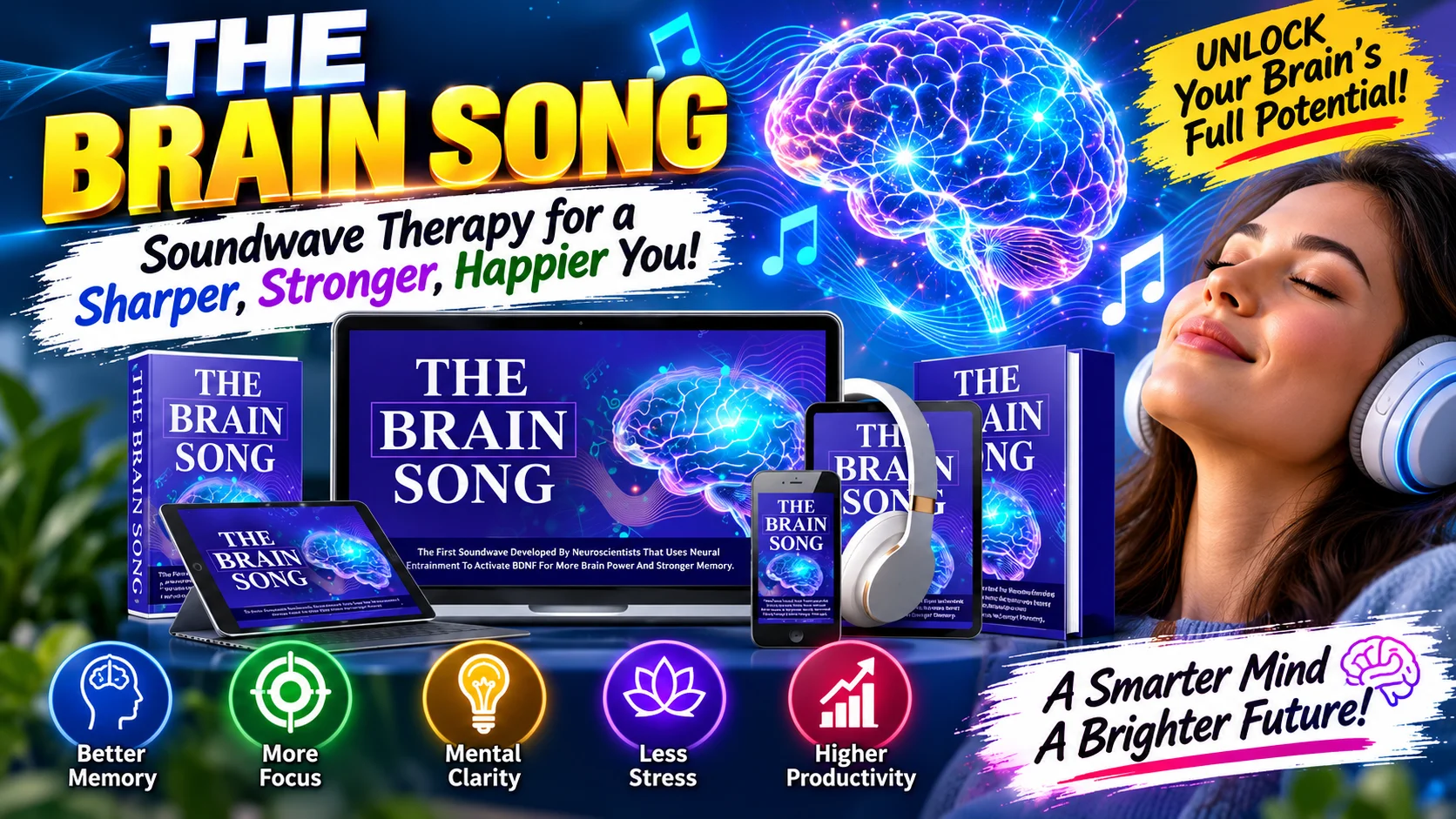
If wellness ads have been following you around the internet lately, there’s a decent chance you’ve seen The Brain Song. It’s built on a genuinely simple pitch: no pills, no wearable device, no complicated app — just a short audio track you listen to with headphones. Here’s what it actually is, how it’s supposed to work, and what to know before you decide whether it’s worth $39.
The Basic Product
The Brain Song is a digital audio file, roughly 12 minutes long, sold through the website gobrainsong.com. The instructions are straightforward: put on headphones, press play, and listen once a day. There’s no app to configure, no hardware to charge, and no ingredient list to research — the entire product is the sound itself.
It’s typically priced around $39 for the base offer, sometimes bundled with extra tracks or a longer-use package at a higher price point, and marketed with a refund window that buyers should confirm directly on the checkout page before purchasing.
The Two Concepts Behind the Pitch
The marketing rests on two real, well-known neuroscience terms:
1. Gamma brainwaves. Gamma waves are one of the fastest categories of brain activity, generally in the 30–100 Hz range. In neuroscience research, gamma activity has been associated with focused attention, sensory binding, and aspects of memory and learning. This is a legitimate, actively studied area of brain science.
2. BDNF (Brain-Derived Neurotrophic Factor). BDNF is a protein in the brain and nervous system tied to neuroplasticity — the brain’s ability to form and strengthen connections. Research has connected things like aerobic exercise, sleep quality, and certain learning activities to changes in BDNF levels.
The Brain Song’s marketing links these two concepts together, suggesting that its specific audio pattern can help guide the brain toward gamma-frequency activity, which in turn is framed as supportive of BDNF-related processes — and by extension, mental clarity, memory, and focus.
How the Audio Is Supposed to Work
According to the product’s own descriptions, the track uses “advanced sound patterns” — language consistent with audio entrainment techniques, where structured tones are used with the goal of encouraging the brain to synchronize toward a target frequency. This general category of audio (sometimes discussed as binaural or isochronic tone-based entrainment, depending on the exact method) has been studied in various academic contexts with mixed and often modest results, and effects can vary significantly between individuals. The company hasn’t published product-specific technical detail on the exact method used or how it’s engineered to hit a gamma target, so buyers curious about the mechanics are generally directed to contact support directly for specifics.
What It Is Not
To be clear about the category this product sits in:
- It is not a supplement — nothing is ingested.
- It is not a medical device and is not FDA-cleared or FDA-evaluated for any health claim.
- It is not paired with a wearable or biofeedback sensor that measures your actual brainwave state while you listen.
- It is not backed, as far as public records show, by a published clinical trial specific to this exact product.
Who It’s Marketed To
The product’s marketing targets a broad audience: students trying to focus while studying, professionals dealing with mental fatigue or “brain fog,” and older adults interested in general cognitive wellness as they age. The appeal is the low effort required — a 12-minute passive listen fits into a routine far more easily than a supplement regimen or an exercise program.
What to Weigh Before Trying It
Because the core claims connect real neuroscience concepts (gamma waves, BDNF) to a specific commercial product without independently published trial data on that exact product, it’s reasonable to treat The Brain Song as an unproven wellness tool rather than a scientifically validated one. That doesn’t necessarily mean it does nothing — audio-based relaxation and focus techniques can have real, if modest and individual, effects for some people — but it does mean the marketing claims are ahead of the available evidence.
If you’re curious enough to try it, a sensible approach is to:
- Confirm the current price, refund window, and support contact directly on the official checkout page.
- Treat it as a low-stakes experiment, not a guaranteed cognitive upgrade.
- Keep using proven basics — sleep, exercise, and focused practice — as your primary tools, with something like this as, at most, a minor addition.
In short: The Brain Song is a short, headphone-based audio track marketed around real neuroscience terms, sold as a passive cognitive-wellness tool, without independently published research validating its specific effects.