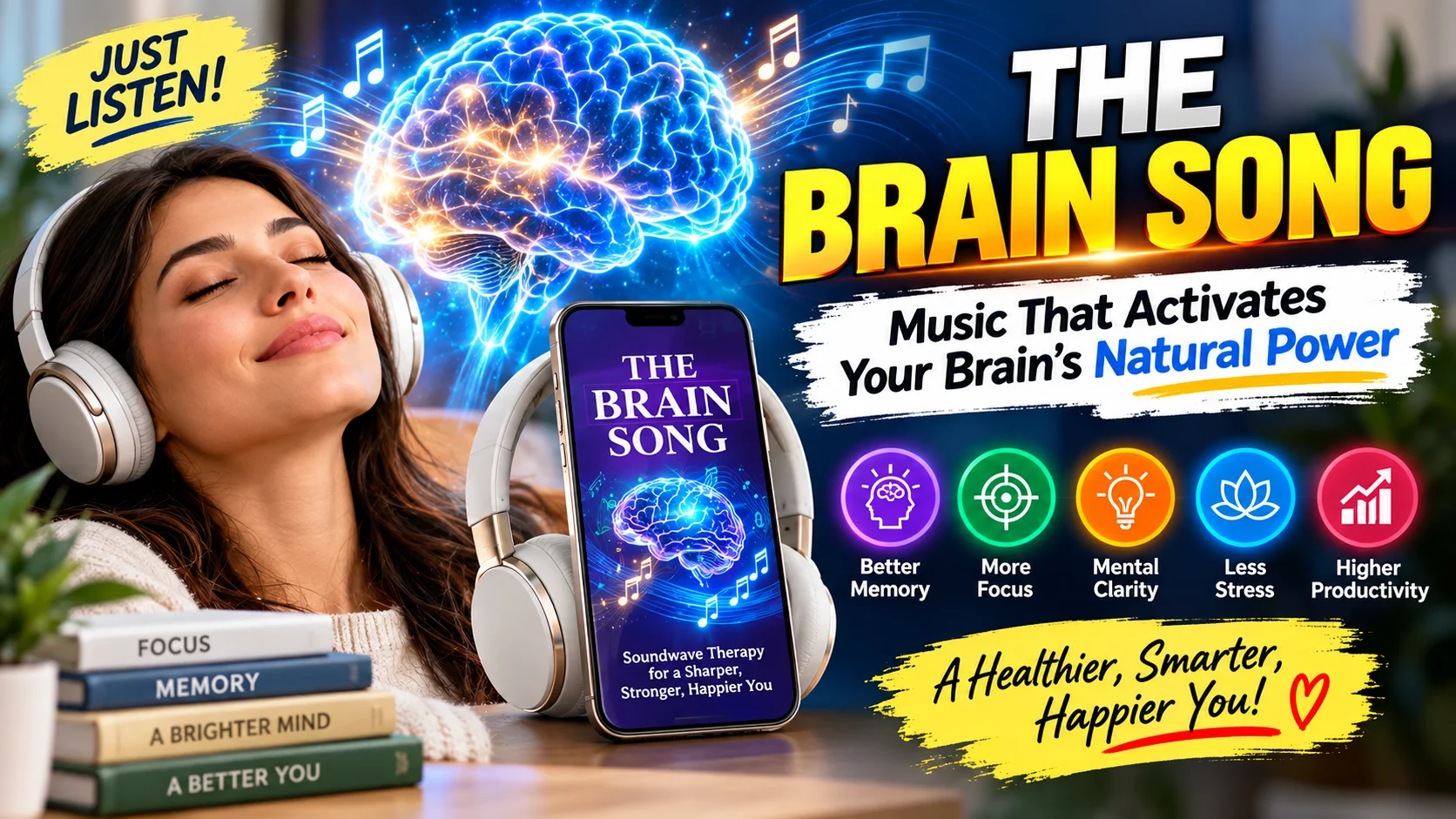
“Legit” is a slippery word. It can mean “the company is real and will ship what I paid for,” or it can mean “the science behind this actually works the way the ads say it does.” Those are two different questions, and The Brain Song — the $39, 12-minute gamma-wave audio track sold through gobrainsong.com — answers them very differently. Here’s a clear-eyed breakdown.
Is the Company Real?
Yes, in the sense that matters for a purchase decision. The Brain Song is sold through a functioning e-commerce checkout, with a stated business name behind the product, a support email, and standard order-confirmation infrastructure. Buyers who complete a purchase generally do receive the digital audio file. That’s the baseline definition of a legitimate transaction: you pay, you receive the item described.
Where it gets murkier is figuring out exactly who is behind the brand. Marketing pages reference the product being developed by a wellness-audio company, but detailed corporate information — leadership, manufacturing partners, research team — isn’t easy to independently verify from public sources. That’s not unusual for a direct-to-consumer digital wellness product, but it does mean you’re taking the “who made this” question mostly on faith.
Want to Know More?
Is the Science Legit?
This is the part worth slowing down on, because it’s where most of the “is this legit” searches are really pointed.
Gamma waves are real. Gamma-frequency brain activity (roughly 30–100 Hz) is a genuine, well-studied area of neuroscience, associated in research with attention, working memory, and sensory processing.
BDNF is real. Brain-Derived Neurotrophic Factor is a protein linked to neuroplasticity, learning, and memory. Exercise, sleep, and certain cognitive activities are associated with BDNF changes in published research.
The gap: connecting those facts to this specific audio track. General neuroscience findings about gamma waves and BDNF do not automatically mean that a commercial 12-minute audio recording reliably produces the same effects researchers have measured in lab settings, using specific stimulation methods, equipment, and controlled conditions. No independently published, product-specific clinical trial for The Brain Song has been identified. That’s the core honesty gap between the pitch and the proof.
What the Company’s Own Language Reveals
Look closely at the fine print rather than the headline claims. The Brain Song’s marketing carries the standard disclaimer that the FDA hasn’t evaluated its claims and that the product isn’t meant to diagnose, treat, cure, or prevent disease. This is required language for wellness products making cognitive or health-adjacent claims, and it’s a useful tell: it means the legal and marketing teams are drawing a careful line so the bold claims in the ads don’t cross into regulated medical territory.
The Review Ecosystem Problem
If you’re trying to confirm legitimacy by reading reviews, be aware that a large share of what ranks for “Brain Song review” or “Brain Song legit” is affiliate marketing content, not independent journalism or user testimony. Many of these pages share near-identical structure, similar disclaimers, and enthusiastic-but-vague testimonials. That doesn’t prove the product is bad — it just means you can’t treat search-result reviews as a reliable legitimacy check. Look instead for:
- Verified purchase reviews on independent retail or app-store platforms, if available
- Discussion in forums not tied to affiliate links
- Direct confirmation of refund terms from the official checkout page
Practical Legitimacy Checklist
Before buying, it’s reasonable to confirm:
- Refund policy — get the current window (commonly cited in the 60–90 day range) in writing from the order page itself.
- Support contact — test that the listed support email or contact form actually gets a response before you rely on it.
- Payment method safety — pay with a card or method that offers buyer protection, so a dispute is possible if something goes wrong.
- Claims vs. evidence — treat specific numeric claims (e.g., “X% improvement”) as marketing unless linked to real citations.
Bottom Line
The Brain Song appears to be a legitimate business transaction: real product, real delivery, standard e-commerce protections. What isn’t independently established is the specific cognitive-enhancement science behind the marketing — that part rests more on general neuroscience concepts borrowed for a sales pitch than on dedicated research for this product. If you buy it, it’s reasonable to treat it as a low-cost, low-risk experiment rather than a proven cognitive intervention, and to keep your refund window in mind either way.