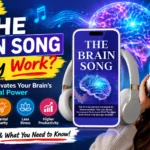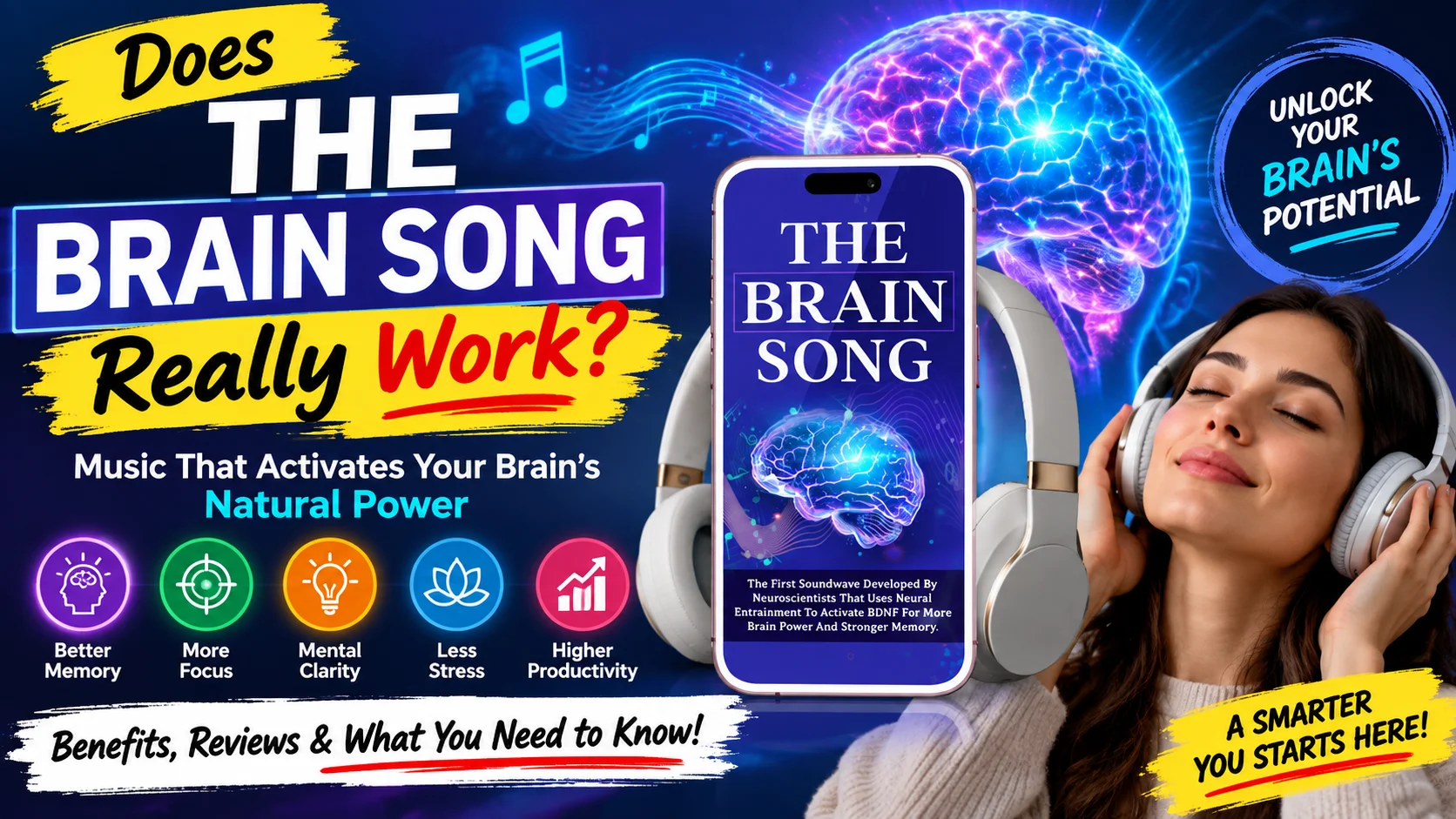
If you’ve searched “is The Brain Song a scam,” you’re doing exactly what a smart shopper should do before spending money on a wellness product you’ve only seen in an ad. The Brain Song is a 12-minute digital audio track sold through gobrainsong.com for around $39, marketed as a tool that nudges the brain toward “gamma wave” activity and supports something called BDNF (Brain-Derived Neurotrophic Factor). No pills, no device, no gym routine — just headphones and a short daily listen.
That simplicity is part of what makes people suspicious. So let’s break down the actual signals — the ones that matter — instead of just reacting to a gut feeling.
What “Scam” Usually Means (and Doesn’t)
Before labeling anything a scam, it helps to separate two very different questions:
- Is the company taking your money and not delivering the product? That’s fraud.
- Is the product real, but the science behind its benefits is thin, exaggerated, or unproven? That’s a marketing and evidence problem, not necessarily fraud.
Most complaints about digital wellness products like The Brain Song fall into the second category. Buyers usually do receive the audio file they paid for. The more legitimate question is whether the claims made about what that audio file does hold up.
Before You Buy, Take a Closer Look →
Signals Worth Knowing
The FDA disclaimer is real, and it matters. Like most supplement- and wellness-adjacent products, The Brain Song’s site includes standard language stating that the FDA has not evaluated its claims and that it isn’t intended to diagnose, treat, cure, or prevent any disease. This is legally required boilerplate, but it’s also an admission: the company itself is not asserting clinical-grade efficacy, no matter how confident the surrounding ad copy sounds.
No product-specific clinical trials have surfaced. Gamma wave brain activity and BDNF are both real, studied areas of neuroscience. But general research on a topic is different from evidence that this specific 12-minute track produces measurable cognitive benefits. As of now, no peer-reviewed, product-specific trial data has been published for The Brain Song.
The “independent reviews” are mostly marketing. One of the stranger things about researching this product is how hard it is to find a genuinely independent review. Searching turns up dozens of articles with near-identical structure and phrasing — “Reviews and Complaints,” “Scam or Legit,” “The Truth About—” — many of which are affiliate content designed to rank for exactly the kind of skeptical searches you’re doing right now. That doesn’t automatically make the product fake, but it does mean you should treat most “reviews” you find with a healthy amount of skepticism, including ones that gush with praise.
Unverifiable authority claims circulate in the marketing. Some promotional material references NASA-style framing around brainwave research. No independently verifiable NASA endorsement or affiliation with this specific product has been documented. When a wellness product leans on the prestige of an institution without a checkable link, that’s a yellow flag worth noting — not proof of a scam, but a reason to slow down.
What Reduces Scam Risk
A few practical facts do work in the product’s favor from a pure “will I get scammed out of money” standpoint:
- The product is sold through standard checkout and affiliate infrastructure, not an anonymous or unverifiable payment method.
- A refund window is advertised (commonly cited around 60–90 days depending on the specific offer page), which gives buyers a way to get their money back if the audio doesn’t do anything for them.
- The company provides a support contact for questions before purchase.
If you’re considering buying, it’s worth confirming the current refund terms and support contact directly on the official checkout page before paying, since promotional pages and offer terms can change.
So — Scam or Not?
Based on what’s publicly verifiable: The Brain Song does not show the classic hallmarks of an outright scam, like non-delivery of the product or a payment structure designed to make refunds impossible. But it also doesn’t show the hallmarks of a clinically validated cognitive tool. It sits in a large, common category of wellness products: real item, delivered as promised, wrapped in marketing claims that outrun the current evidence.
The honest answer to “is The Brain Song a scam” is: probably not a scam in the legal sense, but the cognitive-enhancement claims are not independently proven, and much of what looks like third-party validation online is actually marketing.
How to Protect Yourself Before Buying
- Read the refund policy directly from the checkout page, not a review site.
- Don’t rely on “review” articles that all use the same structure and disclaimers — they’re often affiliate-driven.
- Treat any specific promise (e.g., “boosts memory by X%”) as marketing language unless it links to real, cited research on the product itself.
- If you try it, keep expectations aligned with what’s actually claimed: a passive, low-effort supplement to (not replacement for) sleep, focus habits, and mental engagement — not a proven medical intervention.
If you decide to try it, buy directly from the official site, keep your receipt, and know your refund window in case the results don’t match the pitch.